 Science Projects
 Sensor & Modules
 Basic Components
 Development Boards
 Robotic Parts
 Drone Parts
 Tools & Accessories
 Power Sources
 Kits & Combo
 IC & Microchip
 Cables & Connectors
 Audio Components
 Our Services
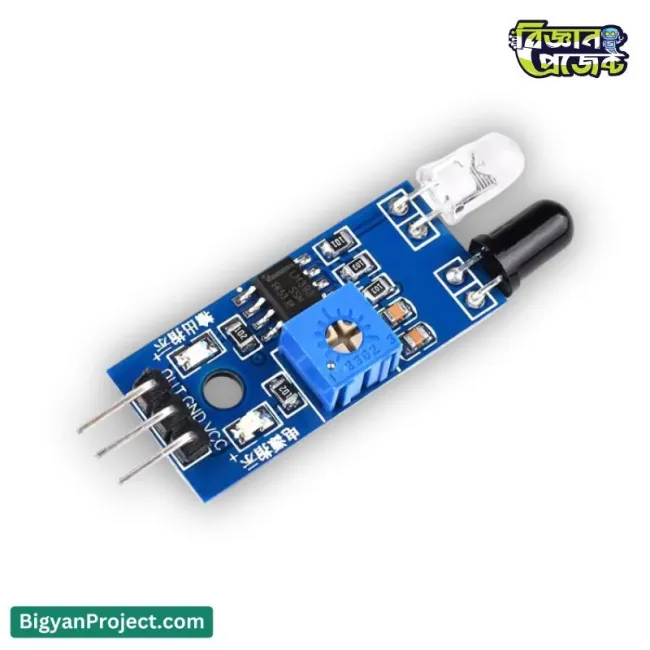
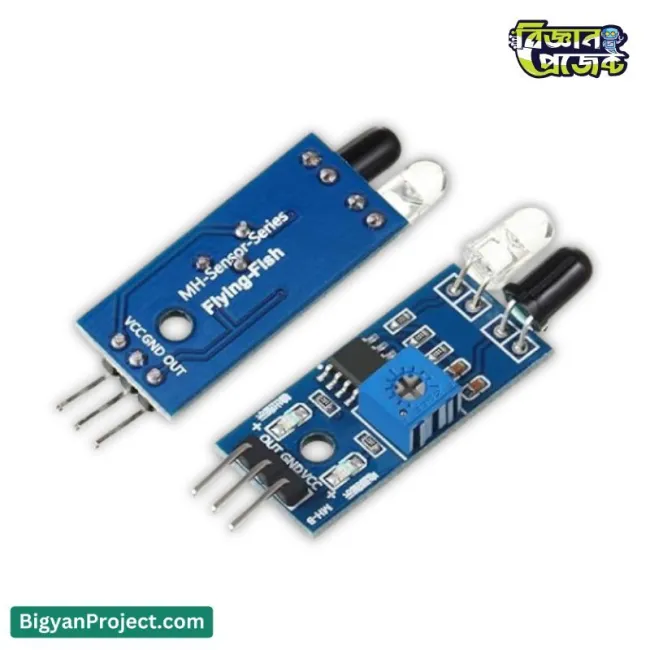
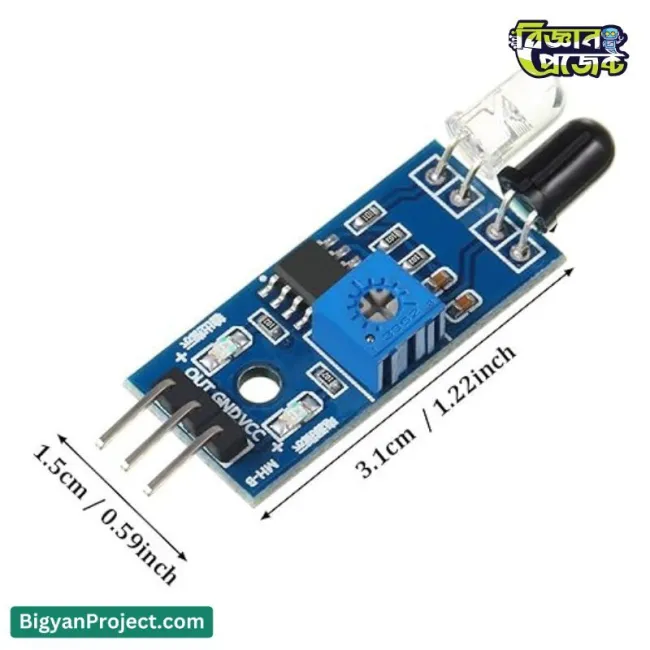
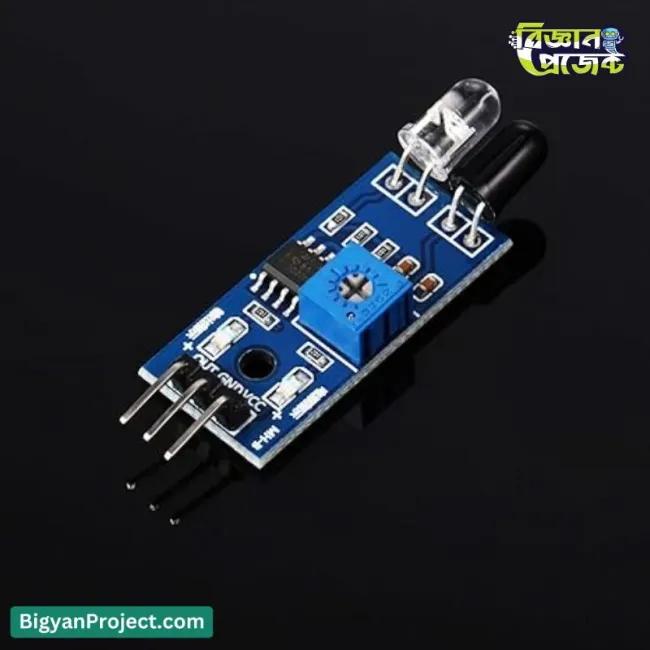
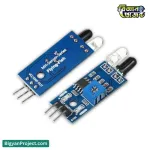
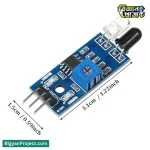
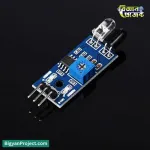
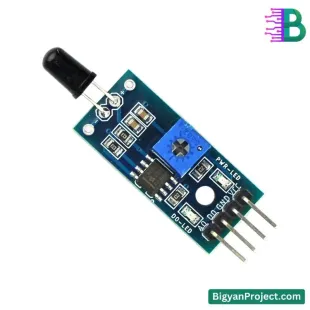
Meet the essential component for your next smart project! This IR Infrared Obstacle Avoidance Sensor is a versatile and easy-to-use module designed for students, DIY enthusiasts, and robotics hobbyists. It uses an infrared transmitter and receiver to detect objects in its path, making it perfect for adding "sight" to your creations. When an object is detected, the module sends a simple LOW signal, which can be easily read by microcontrollers like Arduino to trigger an action, such as changing the robot's direction.
With a detection range adjustable from 2cm to 30cm using the onboard potentiometer, you can fine-tune its sensitivity for any task. Onboard LEDs provide instant visual feedback—a red light for power and a green light that illuminates when an obstacle is detected. It's the ideal choice for building obstacle-avoiding robots, smart cars, automatic counters, and other interactive electronic projects.
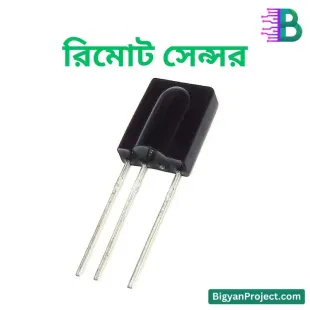
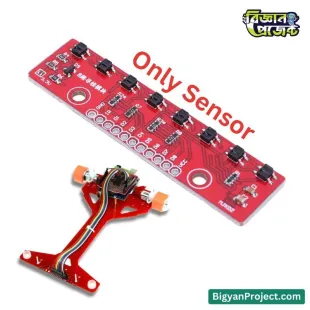
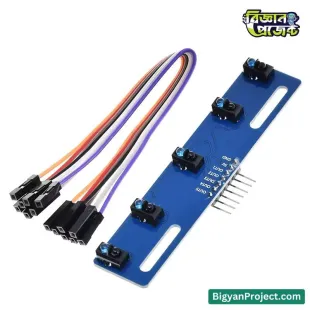
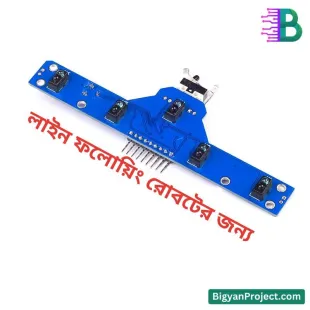
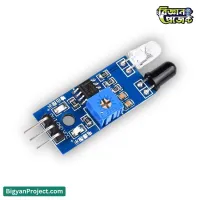
Unlock a new dimension of interactivity in your electronics projects with the IR Infrared Obstacle Avoidance Sensor Module, a must-have component for any aspiring roboticist or DIY enthusiast in Bangladesh. This compact and powerful sensor is your project's first step towards environmental awareness, allowing it to see and react to the world around it. By using a pair of infrared transmitting and receiving diodes, the module can reliably detect objects in its path. It's an incredibly simple yet effective way to prevent your smart car from colliding with a wall or to make your robot navigate a complex maze. At Bigyan Project, we believe in empowering creators with high-quality, affordable components, and this IR sensor is a perfect example of that commitment.
The IR Obstacle Avoidance Sensor works on the principle of reflected infrared light. It continuously emits an IR signal, and when an obstacle comes into its detection range, the signal is reflected back and captured by the IR receiver. The onboard LM393 comparator IC then processes this signal, and if the reflection is strong enough, it pulls the digital output pin to a LOW state. This simple HIGH/LOW output makes it incredibly easy to interface with any microcontroller, including the popular Arduino platform. The module also features two LEDs for instant feedback: a red LED that indicates power is on, and a green LED that lights up when an obstacle is detected, making troubleshooting your projects a breeze.
| Parameter | Value |
|---|---|
| Model | IR Infrared Obstacle Avoidance Sensor |
| Operating Voltage | 3.3V - 5V DC |
| Detection Range | 2cm to 30cm (Adjustable via Potentiometer) |
| Detection Angle | 35° Cone |
| Output Type | Digital (0 or 1 / LOW or HIGH) |
| Comparator IC | LM393 for stable performance |
| Onboard Indicators | Red Power LED, Green Obstacle Detection LED |
| Interface | 3-Pin (VCC, GND, OUT) |
| Dimensions | Approx. 3.2cm x 1.4cm |
| Mounting | One 3mm mounting screw hole |
Integrating this IR sensor into your project is simple. Follow these basic steps to get started:
The IR Infrared Obstacle Avoidance Sensor is an indispensable tool that offers incredible functionality at a very low price point. Whether you are building your first robot, automating a task, or simply experimenting with sensors, this module provides a reliable and straightforward solution. It's the perfect building block for your next big idea. Get yours today from Bigyan Project and start bringing your creations to life!
IR sensor, Infrared Obstacle Avoidance Sensor, Arduino sensor, robot sensor, smart car sensor, proximity sensor, obstacle sensor module, IR sensor price in BD, Arduino sensor Bangladesh, 3 wire IR sensor, LM393 sensor, electronics components shop in Bangladesh, Bigyan Project, বিজ্ঞান প্রজেক্ট, robot parts BD, DIY electronics Bangladesh, obstacle detector module, reflective photoelectric sensor.
Data sheet
Important Information
The product details on this page are collected from multiple reliable sources to provide you with the best information. However, minor discrepancies may occur. We recommend thoroughly checking the product labels, instructions, and warnings before use.
Note: Images shown are for illustration purposes only and may slightly differ from the actual product.
The latest price of IR Obstacle Avoidance Sensor Module in Bangladesh is ৳50 Taka. You can buy the IR Obstacle Avoidance Sensor Module at best price from বিজ্ঞান প্রজেক্ট.